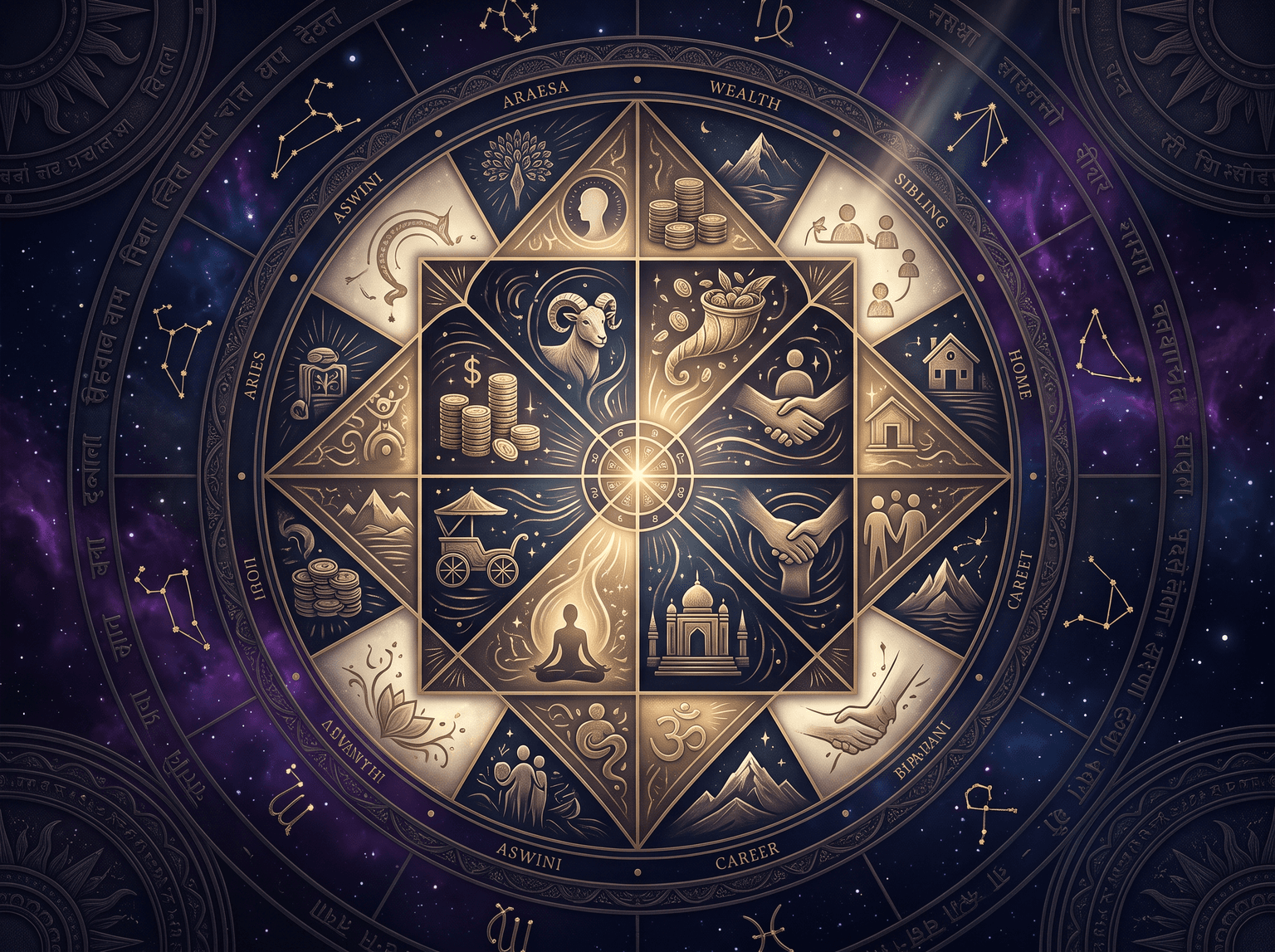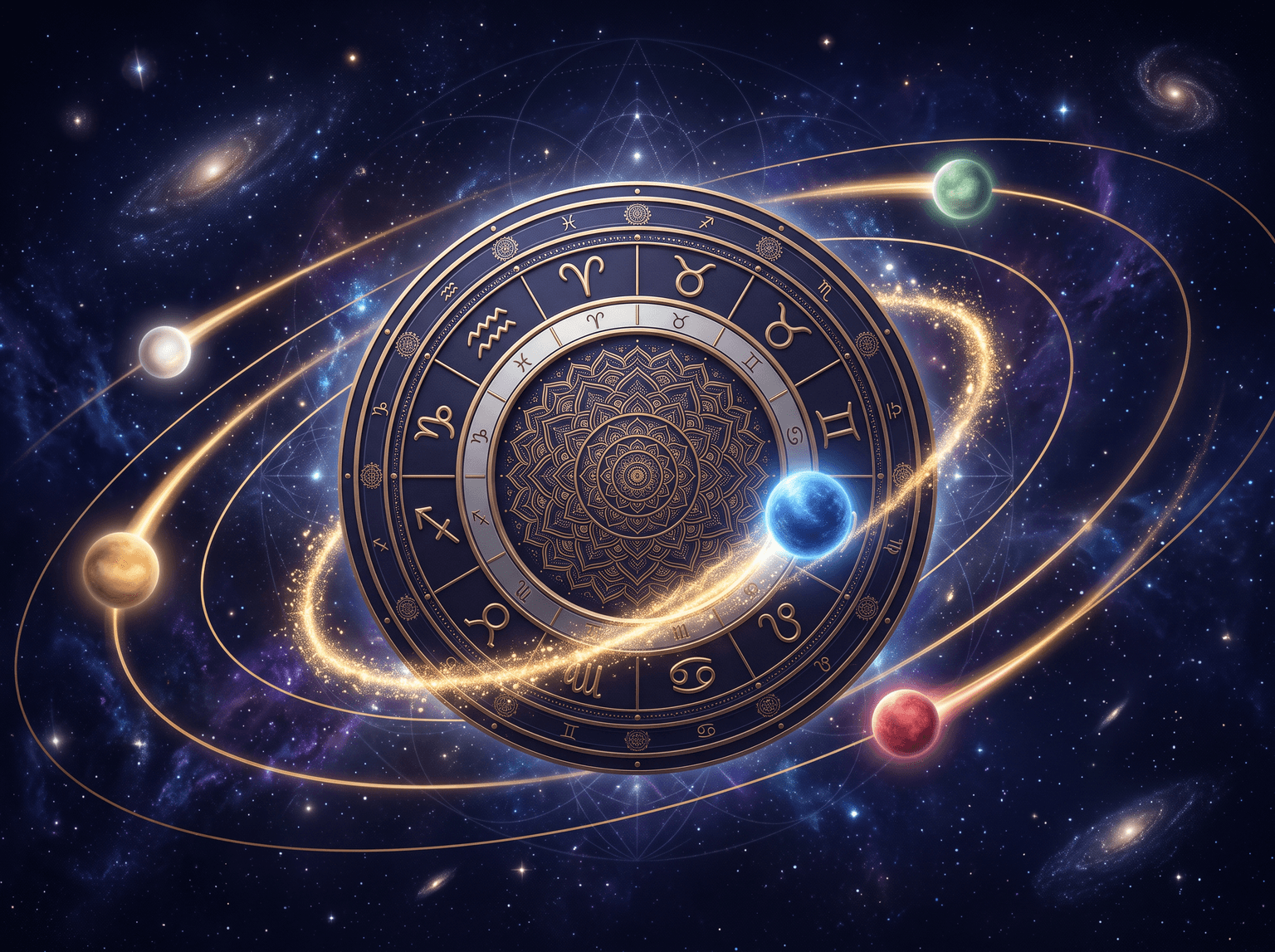
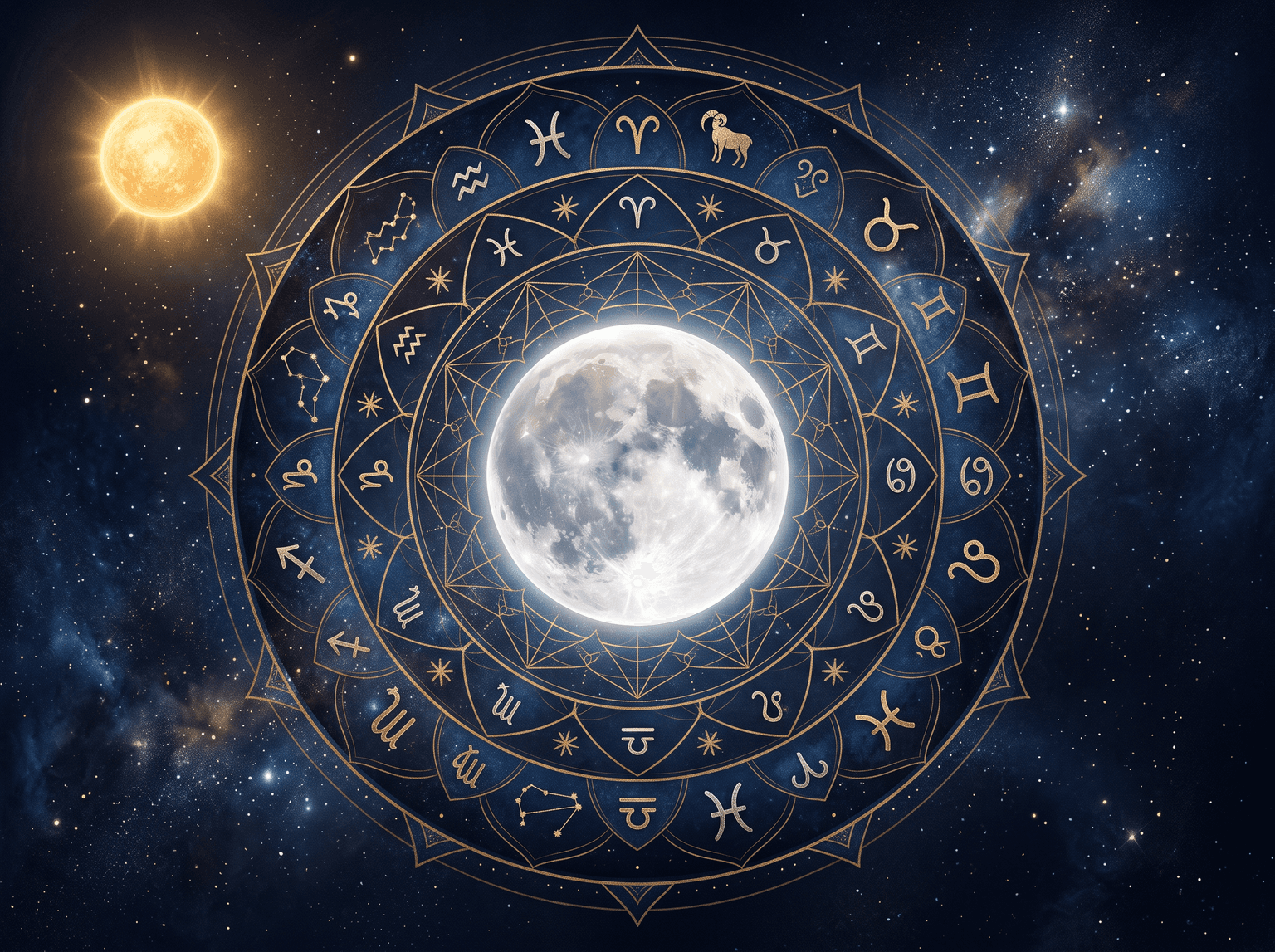
Anyone new to Vedic astrology is often surprised to learn that horoscopes here are based on the Moon sign, or Rashi, rather than the Sun sign familiar from Western astrology columns. This distinction changes how predictions and remedies are approached entirely.
What is a Moon Sign?
Your Moon sign is the zodiac sign the Moon occupied at the exact time of your birth, and it reflects your emotional nature, instincts, and inner mind.
Because the Moon moves through the zodiac quickly, roughly one sign every two and a half days, an accurate birth time is essential for determining it correctly.
Why Vedic Astrology Emphasizes the Moon
In Vedic tradition, the mind, or Manas, is considered central to how a person experiences and responds to life events, and the Moon governs this inner landscape.
Daily and monthly predictions, along with major remedial recommendations, are therefore typically calculated from the Moon sign rather than the Sun sign.
Essential Key Insight
“Why your Rashi matters more than your Sun sign in Vedic tradition, and how to find it.”
How This Differs from Sun Sign Astrology
Sun sign astrology, more common in Western media, reflects core identity and ego expression but changes only once a month, making it less precise for short-term predictions.
A person's Vedic Moon sign can differ significantly from their Western Sun sign due to the different zodiac systems used, known as sidereal and tropical respectively.
Using Both for a Fuller Picture
While the Moon sign takes priority for predictive work, the Sun and Ascendant remain important for understanding vitality, willpower, and overall life direction.
A complete Vedic reading typically considers the Ascendant, Moon sign, and Sun sign together, rather than relying on just one factor.
Final Thoughts
Understanding why the Moon sign takes precedence in Vedic astrology helps explain why your daily Rashi horoscope may feel more accurate than a generic Sun sign forecast. Knowing your exact birth time is the first step toward this precision.